Why Super Bowl Halftime Is So Long: The Scandalous Truth You Need To Know!
Have you ever wondered why the Super Bowl halftime show seems to stretch on forever? While regular NFL games feature 12-minute breaks between quarters, the Super Bowl halftime has evolved into a spectacle that can last up to 30 minutes or more. This isn't just about giving players extra rest time – there's a fascinating history and complex logistics behind why the Super Bowl halftime show has become the cultural phenomenon we know today.
The Evolution of Super Bowl Halftime: From College Bands to Global Entertainment
The Super Bowl halftime show wasn't always the star-studded extravaganza we see today. In the early years of the NFL championship game, halftime entertainment typically featured local college marching bands and drill teams. The transformation began in the 1990s when the NFL recognized the halftime show's potential as a massive television draw.
The Production Nightmare Behind Six Minutes of Setup
Preparation for the super bowl halftime show begins months in advance, coordinating the logistics and designing the sets so that halftime show is ready to go in just six minutes of setup on. This incredible feat requires hundreds of crew members working in perfect synchronization. The NFL treats this six-minute window as a military operation, with every second accounted for and rehearsed repeatedly.
- Shocking Leak Reveals Days Of Our Lives Actors Porn Past Fans Stunned
- Kim And Kanyes Wedding Ruined By Leaked Sex Tape The Truth Revealed
- West Side Story 2020 Casts Hidden Porn Past Revealed Youll Never Guess Who
The challenge lies in the fact that the show must be assembled on the field itself, with no opportunity for pre-building or testing. Unlike concert tours where stages can be constructed over days, the Super Bowl halftime setup must transform a football field into a concert venue and then back again before the third quarter begins. This logistical puzzle has pushed production teams to develop innovative solutions, from modular stage designs to specialized equipment that can be deployed at lightning speed.
Bad Bunny: The 2026 Super Bowl Headliner
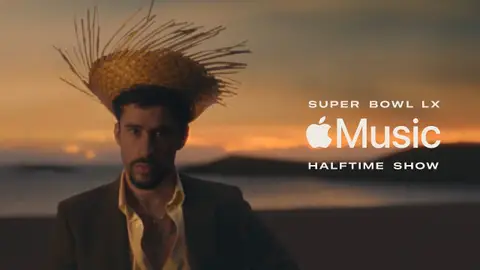
Bad bunny will headline the halftime show on sunday at the super bowl, marking a significant moment for Latin music representation in mainstream American culture. The Puerto Rican superstar's selection represents the NFL's ongoing effort to reflect the diversity of its audience and tap into global music markets.
The Cultural Impact and Controversy
Bad bunny's super bowl halftime show draws criticism from conservatives and assistant attorney general harmeet dhillon for being performed mostly in spanish. This controversy highlights the ongoing cultural debates surrounding representation in American media. Some critics argued that as an American cultural event, the performance should have been primarily in English.
- The Dark Side Of The Prairie Cast Members Scandalous Lives Exposed In Never Before Seen Footage
- Dove Camerons Secret Lover Exposed In Shocking Nude Leak
- Andy Griffith Show Cast Nude Leaks Shocking Photos They Tried To Hide
As i have noted earlier, mr bunny and fellow performers do not represent many (or probably most) puerto ricans. This statement reflects the complex relationship between artists and their communities, particularly when representing cultural heritage on a global stage. The debate raises questions about authenticity, representation, and the expectations placed on artists who become cultural ambassadors.
The Business Behind the Show
The Economics of Halftime Performances
Mega super bowl halftime performers receive union scale payment, which amounts to approximately $1,000 per day. Although this fee seems modest compared to bad bunny's recent earnings, the exposure and subsequent boosts in streaming and sales can be significant. Artists typically view the Super Bowl as a massive marketing opportunity rather than a paid performance.
The NFL's strategy of not paying substantial performance fees has been controversial, but the data shows that artists who perform at the Super Bowl experience dramatic increases in music sales and streaming numbers. For Bad Bunny, whose global popularity continues to grow, the Super Bowl represents an opportunity to cement his status as a crossover superstar while reaching the massive American television audience.
The Purpose of the Super Bowl as a Cultural Event
The purpose of the super bowl is to draw in all the people who don't regularly watch the nfl to make a cultural event and capitalize on that money. This explains why the halftime show has become so elaborate and why the break is so long. The NFL isn't just entertaining football fans; they're creating a television event that attracts casual viewers, international audiences, and people who tune in specifically for the commercials and halftime show.
Contrast that to the college football championship, which gets almost no promotion and almost gets forgotten, stuck on a monday, after nfl playoff games and long after the season is over for most teams. The Super Bowl's success as a cultural phenomenon is the result of decades of strategic marketing and the creation of traditions that extend far beyond the game itself.
The Technical Marvel of Halftime Production
Six Minutes to Build a Concert Venue
Getty images you're producing a global entertainment moment on live television, within an immovable time window, on a. The pressure on production crews is immense. They must transform a football field into a fully functional concert venue, complete with lighting rigs, sound systems, video screens, and performance areas, all while working around the existing infrastructure of the stadium.
The six-minute setup window means that every piece of equipment must be precisely placed and every performer must hit their marks exactly. There's no room for error, as any delay could impact the game schedule. This precision requires months of planning and countless hours of rehearsal with the actual equipment that will be used on game day.
Historical Context and Evolution
To set the stage, we scoured the web for articles and videos that trace the history of the super bowl halftime show and how it's evolved, along with what might happen this year. The evolution from marching bands to pop superstars reflects broader changes in American culture and the entertainment industry. Each era of halftime shows tells us something about the music, technology, and cultural values of its time.
The infamous "wardrobe malfunction" during the 2004 Janet Jackson and Justin Timberlake performance led to increased scrutiny and regulation of halftime content, while also demonstrating the massive cultural impact these shows can have. That incident, where surprise guest timberlake then appeared onstage to perform a duet of his song rock your body with jackson, resulted in changes to how halftime shows are produced and broadcast.
Understanding the Timing and Logistics
How Long Is NFL Halftime?
Learn how long does nfl halftimes last, including super bowl breaks and the longest halftime show in history. Regular season NFL halftimes typically last 12 minutes, while the Super Bowl halftime can extend to 30 minutes or more. This extended break serves multiple purposes beyond just the performance itself.
The additional time allows for the complex stage setup and teardown, gives players extra rest (particularly important given the physical demands of playing in the Super Bowl), and provides networks with extended commercial breaks that command premium advertising rates. Super bowl halftime is much longer than that of a normal game specifically because it's become an entertainment product in its own right.
Here's how long you can expect halftime to last at the super bowl. While the actual performance might run 12-15 minutes, the total halftime break, including player warmups and commercial breaks, typically extends to 30-35 minutes. This timing is carefully calculated to maintain viewer engagement while maximizing advertising revenue.
What Happens During the Break?
Find out how long is nfl halftime, what players do during the break, how the super bowl halftime differs, and why this pause matters in every game. During regular season games, players use the 12-minute break to receive coaching adjustments, hydrate, and receive medical attention if needed. The extended Super Bowl halftime requires teams to adjust their routines and maintain player focus during a much longer break.
Coaches must balance the benefits of the extended rest time against the challenge of keeping players mentally engaged and physically prepared to return to play. Some teams bring in special entertainment or activities to keep players focused during the longer break, while others stick to their regular routines as much as possible.
The Cultural Significance
Global Entertainment on American Television
Access delivers the best in entertainment and celebrity news with unparalleled video coverage of the hottest names in hollywood, movies, tv, music and pop culture. The Super Bowl halftime show has become one of the most-watched musical performances globally, with hundreds of millions of viewers tuning in across more than 180 countries.
The show's global reach makes artist selection a complex decision that involves considerations of international appeal, cultural sensitivity, and the current music landscape. Bad Bunny's selection reflects the NFL's recognition of Latin music's global dominance and the growing importance of the Latin American market.
Language and Cultural Representation
An exact translation into english should have been shown on nbc of every word spoken and sung. Wouldn't that be culturally sensitive. This suggestion highlights the ongoing debate about language and cultural representation in American media. The controversy surrounding Bad Bunny's primarily Spanish-language performance reflects broader discussions about immigration, cultural identity, and what constitutes "American" culture.
The NFL's decision to feature artists who perform in languages other than English represents a shift toward more inclusive representation, but it also raises questions about accessibility and the expectations of a predominantly English-speaking audience. The network's handling of translations and subtitles becomes part of the cultural conversation surrounding these performances.
Alternative Voices and Counter-Programming
The TPUSA Super Bowl Halftime Show
He's set to headlining tpusa's super bowl halftime show. In response to mainstream halftime shows that some viewers find objectionable, alternative programming has emerged. Turning Point USA's counter-programming represents a growing trend of creating alternative entertainment options for audiences who feel alienated by mainstream cultural events.
A major concert that was supposed to involve kid rock has been canceled. These alternative events often feature artists and speakers who represent different political or cultural perspectives than those featured in the official NFL halftime show, creating a parallel entertainment ecosystem during the Super Bowl.
The Future of Halftime Entertainment
Technological Innovations and Production Advances
As technology continues to evolve, future Super Bowl halftime shows will likely incorporate even more advanced production techniques. From augmented reality elements to interactive components that allow viewers to influence the show in real-time, the possibilities for innovation are expanding rapidly.
The challenge will be balancing technological innovation with the need for reliable, live television production. The six-minute setup window remains a constant constraint, but advances in materials science, robotics, and digital technology may provide new solutions for creating even more spectacular shows within these limitations.
Cultural Evolution and Audience Expectations
The selection of halftime performers reflects changing demographics and cultural tastes. As the American population becomes more diverse and global music influences continue to shape popular culture, we can expect to see even more international artists and multilingual performances in future Super Bowls.
The controversy surrounding language and cultural representation suggests that these shows will continue to be sites of cultural negotiation and debate. The NFL must balance the desire to appeal to a broad, mainstream audience with the need to reflect the diversity of its viewership and the global nature of contemporary popular culture.
Conclusion
The Super Bowl halftime show's extended length is the result of a perfect storm of factors: the logistical challenges of transforming a football field into a concert venue in six minutes, the commercial opportunities presented by a massive captive audience, and the cultural significance of creating a truly global entertainment moment. From its humble beginnings featuring college marching bands to today's elaborate pop spectacles, the halftime show has evolved into an event that transcends sports and becomes a cultural touchstone.
Bad Bunny's upcoming performance represents both continuity and change in this evolution, reflecting the growing influence of Latin music while also highlighting the ongoing debates about language, representation, and cultural identity in American media. The six-minute setup window remains a constant challenge, pushing production teams to innovate and perfect their craft year after year.
As we look to the future, the Super Bowl halftime show will undoubtedly continue to evolve, incorporating new technologies and reflecting changing cultural dynamics. But its core purpose – to create a moment of shared cultural experience that draws in viewers who might not otherwise watch football – remains unchanged. The length of the halftime break, while sometimes criticized as excessive, is actually a carefully calibrated element of this larger cultural strategy, designed to maximize both entertainment value and commercial opportunity while creating memories that last far beyond the final whistle.
The scandalous truth about why Super Bowl halftime is so long isn't really scandalous at all – it's the logical result of decades of evolution, innovation, and the recognition that in today's media landscape, the halftime show isn't just a break in the action; it's the main event for millions of viewers worldwide.