Bing Crosby's Dark Secret: White Christmas Cast Involved In Sex Scandal Leak!
When you think of Bing Crosby, what comes to mind? The smooth, baritone voice crooning "White Christmas"? The beloved actor in "Holiday Inn" and "White Christmas"? The wholesome image of America's most cherished entertainer? What if I told you that beneath that polished exterior lay a web of secrets so shocking they would make even his most devoted fans do a double take? From scandalous affairs to shocking parenting tactics, the real Bing Crosby was far from the kindly figure Hollywood portrayed. This article delves deep into the dark secrets of Bing Crosby and the surprising revelations about the cast of the iconic Christmas film that have recently come to light.
Biography of Bing Crosby
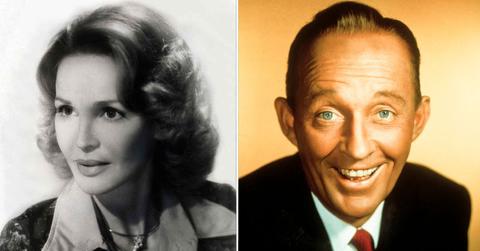
Harry Lillis "Bing" Crosby Jr. was born on May 3, 1903, in Tacoma, Washington. He rose to become one of the most popular and influential musical artists of the 20th century, dominating record sales, network radio ratings, and motion picture grosses from the early 1930s to the mid-1950s. Crosby's career spanned over five decades, during which he recorded over 1,700 songs and appeared in over 100 films.
Personal Details and Bio Data
| Category | Details |
|---|---|
| Full Name | Harry Lillis "Bing" Crosby Jr. |
| Date of Birth | May 3, 1903 |
| Place of Birth | Tacoma, Washington, USA |
| Date of Death | October 14, 1977 |
| Occupation | Singer, Actor, Comedian |
| Spouse | Dixie Lee (1930-1952), Kathryn Grant (1957-1977) |
| Children | 7 (4 with Dixie Lee, 3 with Kathryn Grant) |
| Notable Works | "White Christmas," "Holiday Inn," "Going My Way" |
| Awards | Academy Award, Grammy Lifetime Achievement Award, Hollywood Walk of Fame stars |
The Making of "White Christmas"
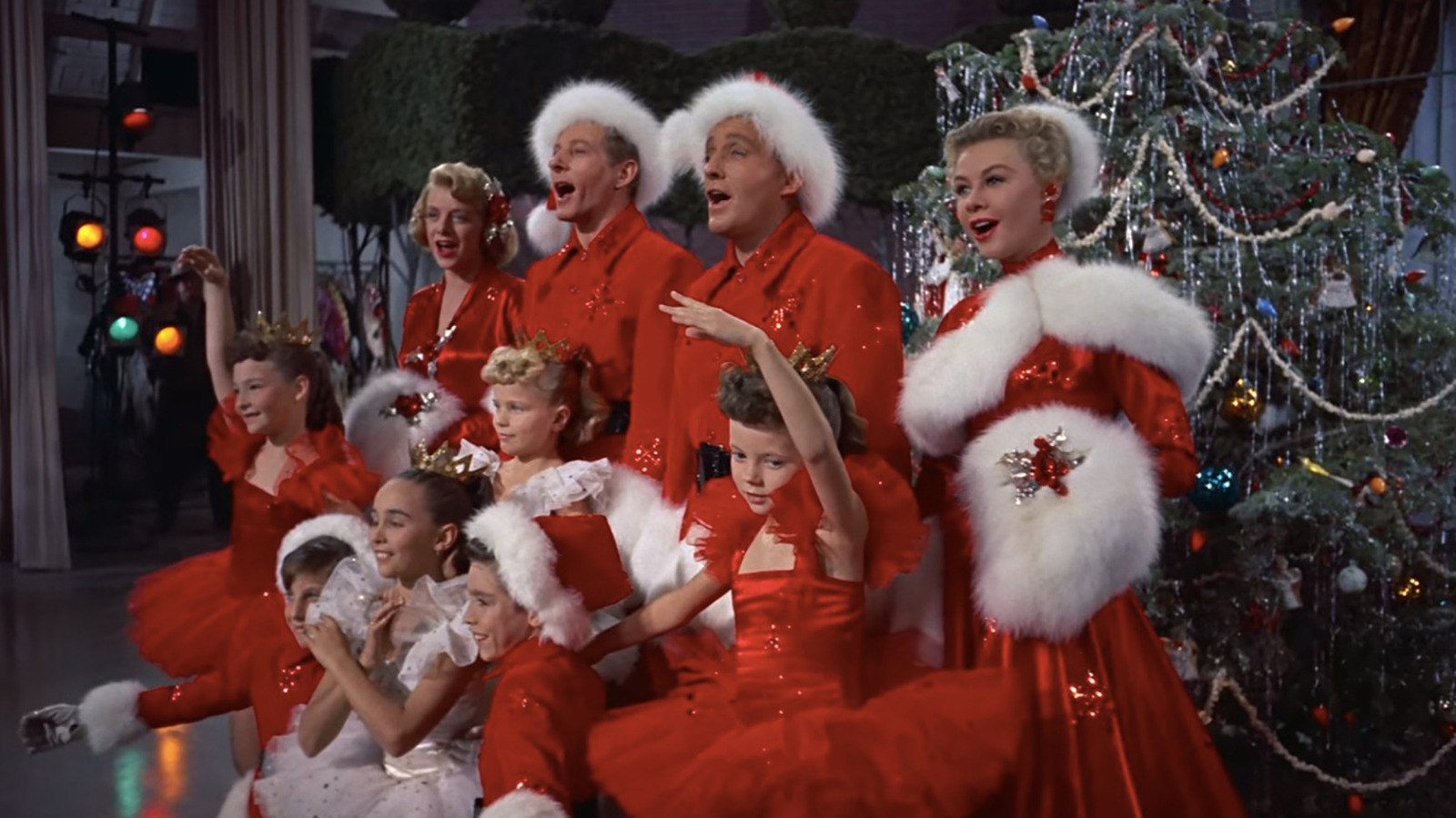
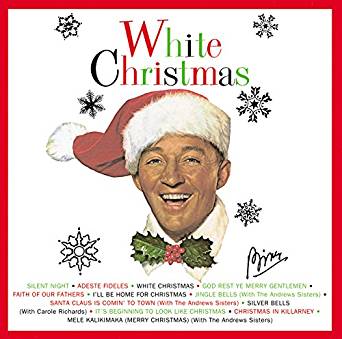
"White Christmas" is a 1954 musical film starring Bing Crosby, Danny Kaye, Rosemary Clooney, and Vera-Ellen. Filmed in Technicolor, it features the songs of Irving Berlin, including a new version of the title song, "White Christmas," which Crosby had introduced in the 1942 film "Holiday Inn." The movie was directed by Michael Curtiz and produced by Paramount Pictures.
- The Hidden War Inside Bananarama Leaked Messages Expose Shocking Betrayal
- Leaked Sex Confession What Shannen Doherty Really Thought Before She Died Will Break Your Heart
- Taylor Swifts Secret Makeup Free Photos Go Viral The Dark Truth Revealed
The film tells the story of two WWII Army buddies, Bob Wallace (Crosby) and Phil Davis (Kaye), who become successful entertainers. They meet two sisters, Betty (Clooney) and Judy Haynes (Vera-Ellen), who are also a song-and-dance team. The four performers team up to save a failing Vermont inn owned by their former commanding officer.
Bing Crosby's Troubled Personal Life
While Bing Crosby was known for his smooth voice and charming on-screen persona, his personal life was far from idyllic. According to Danny Kaye in a TV documentary on Bing Crosby aired after Crosby's death, Crosby was initially glum during filming "White Christmas," having just lost his wife Dixie. Kaye decided to try and lighten Crosby up by improvising the vamp during the "Sisters" number, in which he repeatedly hits Crosby in the stomach with his blue feather fan.
However, this lighthearted moment on set belied the darker aspects of Crosby's personal life. His eldest son, Gary, published a damning memoir in 1983 titled "Going My Own Way," detailing the White Christmas star's alleged physical and mental abuse. This revelation shocked fans and tarnished Crosby's reputation, painting a picture of a man very different from the kindly figure portrayed in his films and music.
- Robert Wagners Age Leak The Scandal They Tried To Hide
- You Wont Believe Suri Cruises Trust Fund Value Leaked Documents Show Billions
- Strongexposed The Leaked Facts Of Life That Will Change Everythingstrong
The Cast's Hidden Secrets
The secrets surrounding Bing Crosby were just the tip of the iceberg. The cast of "White Christmas" harbored their own hidden truths and scandals. Rosemary Clooney, who played Betty Haynes, struggled with drug addiction throughout her life, a battle that began during the filming of "White Christmas." Vera-Ellen, who played Judy Haynes, was known for her tiny waist, but what many didn't know was that she wore turtlenecks and scarves in many scenes to hide the effects of anorexia, a condition she battled for years.
Danny Kaye, Crosby's co-star, was rumored to have had affairs with both men and women throughout his life, a fact that was kept out of the public eye during the more conservative era of the 1950s. These revelations paint a picture of a cast grappling with personal demons while creating a film that would become a beloved holiday classic.
Hollywood's Attempt to Hide the Truth
Hollywood has a long history of trying to hide the darker aspects of its stars' lives. In Bing Crosby's case, his image as a wholesome family man and beloved entertainer was carefully cultivated and maintained by the studios. The revelations in Gary Crosby's memoir came as a shock to many, as they contradicted the public persona that had been so carefully crafted over decades.
The film industry often goes to great lengths to protect its stars' images, especially during the Golden Age of Hollywood. Scandals were often covered up or spun in a way that would maintain the star's appeal to the public. This practice continues to this day, albeit in different forms with the rise of social media and instant news.
The Impact of Crosby's Secrets on His Legacy
The revelations about Bing Crosby's personal life have undoubtedly impacted his legacy. While he remains one of the best-selling recording artists of all time and a beloved figure in American popular culture, the darker aspects of his life have led to a more nuanced view of the man behind the music.
The contrast between Crosby's public image and private life raises questions about the nature of celebrity and the pressure on public figures to maintain a certain image. It also highlights the changing attitudes towards parenting and family dynamics over the decades.
The Enduring Appeal of "White Christmas"
Despite the scandals and secrets surrounding its cast, "White Christmas" remains a beloved holiday classic. The film's enduring appeal lies in its timeless music, charming story, and the chemistry between its lead actors. It has become a Christmas tradition for many families, watched year after year as part of holiday celebrations.
The film's success is a testament to the power of entertainment to transcend the personal lives of its creators. While the revelations about Bing Crosby and his co-stars may have shocked fans, they have not diminished the film's place in popular culture.
The Broader Context of Celebrity Scandals
The Bing Crosby case is not unique in the world of celebrity. Many stars have had their public images shattered by revelations of personal misconduct or hidden truths. From Marilyn Monroe's troubled personal life to more recent scandals involving figures like Bill Cosby, the entertainment industry has seen its fair share of shocking revelations.
These scandals often lead to broader discussions about the nature of fame, the pressure on celebrities to maintain perfect public images, and the role of the media in uncovering and reporting these stories. They also raise questions about how we, as consumers of entertainment, reconcile an artist's work with their personal life.
The Role of Memoirs and Biographies in Uncovering the Truth
Gary Crosby's memoir played a crucial role in revealing the darker aspects of Bing Crosby's life. Memoirs and biographies by family members or close associates often provide insights into celebrities' lives that are not available through other sources. However, they also raise questions about objectivity and the motivations behind such tell-all books.
In the case of "Going My Own Way," Gary Crosby's account was both praised for its honesty and criticized for potentially exaggerating or misrepresenting events. This highlights the complex nature of personal accounts and the challenges in separating fact from perception in these narratives.
The Evolution of Public Perception
The changing public perception of Bing Crosby over the years reflects broader societal changes. In the 1940s and 1950s, Crosby's wholesome image was not only accepted but celebrated. As society has become more open about discussing issues like child abuse and mental health, the revelations about Crosby's parenting have been met with shock and disappointment.
This evolution in public perception also speaks to the changing nature of celebrity culture. In the age of social media and 24/7 news cycles, it's much harder for public figures to maintain carefully curated images. The public's willingness to accept or reject celebrities based on their personal lives has also shifted, with many now arguing that an artist's work should be judged separately from their personal conduct.
Conclusion
The story of Bing Crosby and the "White Christmas" cast is a complex tale of talent, fame, and hidden truths. It reminds us that the public personas we see on screen or hear in recordings are often carefully crafted images that may not reflect the reality of the individuals behind them. The revelations about Crosby's personal life and the secrets of his co-stars have added layers of complexity to their legacies, challenging us to reconcile their artistic contributions with their personal conduct.
As we continue to enjoy "White Christmas" and Bing Crosby's music, we're left to grapple with the dichotomy between the art and the artist. This ongoing conversation about celebrity, truth, and the nature of entertainment continues to evolve, shaped by new revelations and changing societal norms. The story of Bing Crosby serves as a reminder that behind every public figure, there's often a more complicated, and sometimes darker, reality than what we see on the surface.