LEAKED! The Last Of Us Season 2's Shocking Nude Scene Will Make You Cry!
What if I told you that one of the most anticipated television moments of 2025 has already been seen by thousands before it even aired? The Last of Us Season 2 has become the epicenter of a media storm, with leaked footage revealing a controversial nude scene that's left fans emotionally devastated and questioning everything they thought they knew about the beloved franchise. This isn't just another TV spoiler – it's a cultural phenomenon that's testing the boundaries of storytelling, privacy, and fan expectations in the streaming age.
The HBO adaptation of The Last of Us has already proven itself to be more than just a video game adaptation. Season 1 captured hearts worldwide with its faithful yet innovative approach to Neil Druckmann's post-apocalyptic masterpiece. But Season 2? Season 2 is where things get complicated. With the source material being the notoriously divisive The Last of Us Part II, fans have been on edge since the first trailer dropped. Now, with these leaks circulating faster than the cordyceps infection itself, the question isn't just what will happen – it's how we're supposed to feel about it.
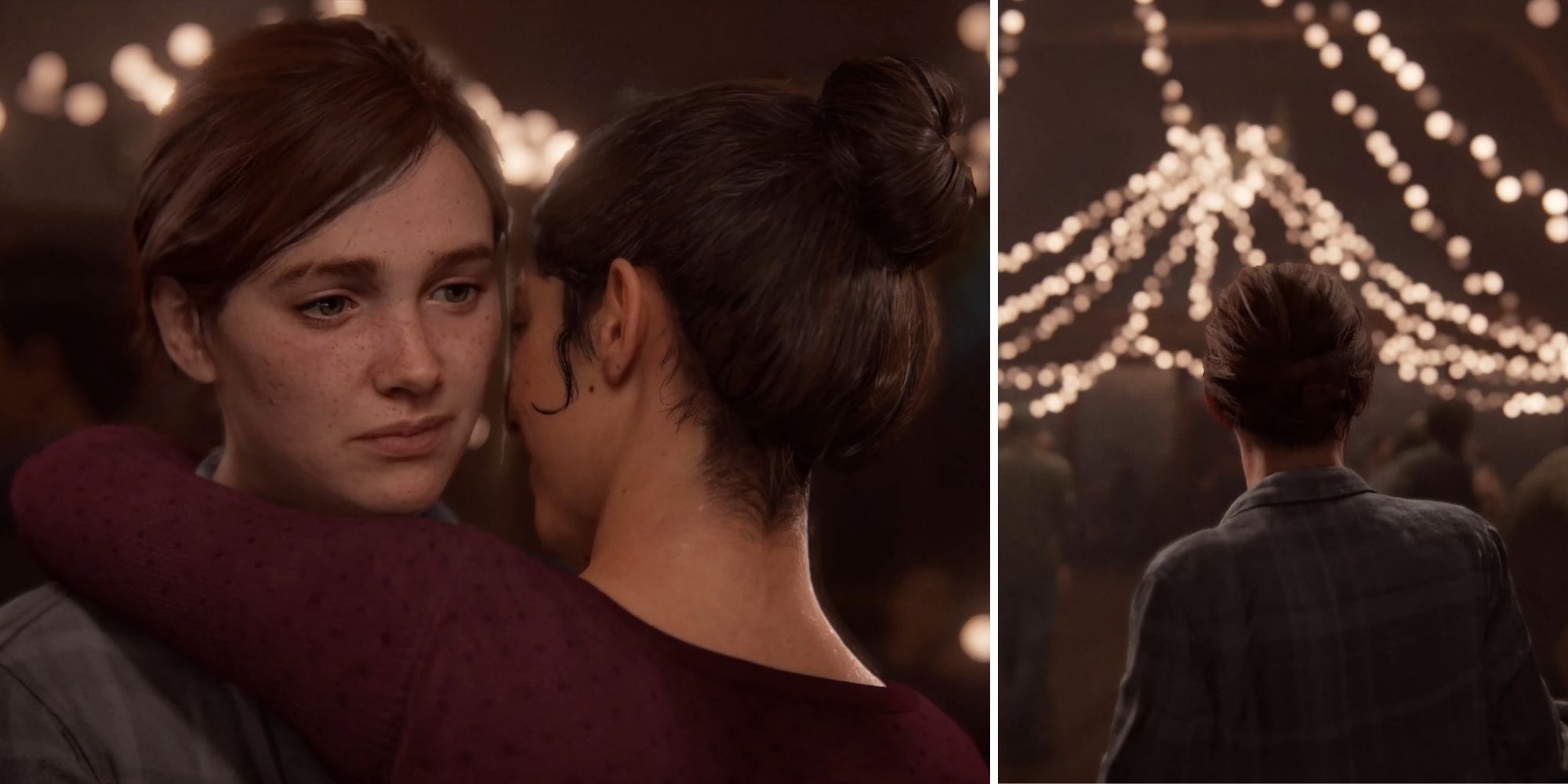
The leaks have revealed something that many fans weren't prepared for: a raw, intimate scene between Ellie (Bella Ramsey) and Dina (Isabela Merced) that pushes beyond what we've seen in the games. This isn't just about nudity – it's about vulnerability, trauma, and the human need for connection in a world that's falling apart. But before we dive into the controversy, let's understand the woman at the center of this storm: Isabela Merced.
- Strongterrifying The Bomb At Ariana Grandes Show That Was Hidden Leaked Insider Confirmsstrong
- Is Anna Kendrick Married Shocking Leaked Documents Expose Her Hidden Life
- Robert Wagners Age Leak The Scandal They Tried To Hide
Isabela Merced: The Rising Star Behind Dina
Isabela Merced, born on July 10, 2001, in Cleveland, Ohio, has quickly become one of Hollywood's most promising young talents. Of Peruvian-American descent, Merced's journey in entertainment began at a remarkably young age, showcasing her versatility as both an actress and singer.
Full Name: Isabela Yolanda Moner (professionally known as Isabela Merced)
Date of Birth: July 10, 2001
Place of Birth: Cleveland, Ohio, USA
Nationality: American
Ethnicity: Peruvian-American
Profession: Actress, Singer, Songwriter
Years Active: 2012–present
Notable Works:Transformers: The Last Knight, Dora and the Lost City of Gold, Instant Family, The Last of Us
Languages: English, Spanish, Quechua
Education: Graduated high school at 16, took college courses while acting
Merced's career trajectory is nothing short of impressive. She began as a child actress, landing her first major role in the Nickelodeon series 100 Things to Do Before High School. From there, she transitioned to film, starring in Transformers: The Last Knight and Instant Family. Her breakout role came with Dora and the Lost City of Gold, where she proved her ability to carry a major studio film.
- Exposed Sex And The City Casts Secret Nude Leak That Broke The Internet
- Malcolm In The Middle Casts Nude Leak The Shocking Truth They Tried To Hide
- Landman Season 2 Delayed Shocking New Details About The Release Emerge
What makes Merced particularly fascinating is her commitment to her heritage. She changed her professional name to Merced in 2019 to honor her Peruvian roots and has been vocal about representation in Hollywood. Her ability to speak Spanish and Quechua fluently has opened doors for her to take on diverse roles that celebrate Latinx culture.
The Scene That Broke the Internet
The fourth episode of The Last of Us Season 2 delivered what many fans had been waiting for: the intimate moment between Ellie and Dina that marks a turning point in their relationship. But this wasn't just any sex scene – it was a carefully crafted moment of vulnerability that Isabela Merced and Bella Ramsey approached with remarkable professionalism and emotional depth.
Speaking to Variety about the filming process, Merced revealed the intense preparation that went into creating an authentic portrayal of this pivotal moment. "We spent weeks discussing the emotional beats, the physical choreography, and most importantly, the trust we needed to build between ourselves," Merced explained. The scene wasn't just about physical intimacy; it was about showing two survivors finding solace in each other amidst the chaos of their world.
The subway scene that follows has become equally iconic. Set to the haunting melody of A-ha's "Take On Me," this sequence captures the fleeting joy and terror of finding love in a post-apocalyptic world. Merced described crying during the filming of this scene, not because of the script, but because of the genuine connection she felt with Ramsey and the weight of what they were creating together.
What makes this scene particularly significant is how it handles intimacy in a way that's both honest and respectful. Unlike many portrayals of LGBTQ+ relationships in mainstream media, this moment isn't sensationalized or treated as taboo. Instead, it's presented as a natural progression of two characters who have found something precious in a world that offers so little.
Season 2's Game-Changing Pregnancy Twist
Perhaps the most shocking revelation from the leaked footage involves Dina's pregnancy – a plot development that significantly alters the dynamic between Ellie and Dina. In the original game, this revelation comes later and carries different emotional weight. However, the show's decision to introduce this element earlier creates new layers of complexity for both characters.
This pregnancy twist raises fascinating questions about choice, responsibility, and the future in a world where tomorrow isn't guaranteed. How does Ellie process this news? What does it mean for their relationship when one partner is carrying a child in a world where basic survival is a daily struggle? The show's writers have taken what was already a complex narrative and added another dimension that forces both characters to confront their priorities and fears.
The leaked footage suggests that this revelation comes at a particularly vulnerable moment, creating a perfect storm of emotional turmoil. Ellie, already grappling with her own demons and the trauma of her past, must now face the possibility of losing Dina – not just to the dangers of their world, but to the responsibilities of motherhood. It's a narrative choice that some fans have praised for adding depth to the story, while others worry it might overshadow the central relationship.
The Leak Controversy: When Fandom Goes Too Far
The leaks surrounding The Last of Us Season 2 finale have sparked a heated debate about spoiler culture and the ethics of sharing unreleased content. Just last summer, House of the Dragon faced a similar situation, with its season finale leaking on TikTok and Twitter despite numerous precautions, including not giving out advance screeners.
This pattern of leaks raises serious questions about how studios protect their content in the streaming age. The fact that footage from this Sunday's season 2 finale has already surfaced online, revealing at least one significant change from the game's narrative, suggests that current security measures may be inadequate. Fans have been quick to analyze every frame, comparing the leaked content to The Last of Us Part II game to identify alterations and speculate about their significance.
The controversy extends beyond simple spoilers. These leaks potentially undermine the creative team's vision for how the story should unfold. Showrunner Craig Mazin and Neil Druckmann have spoken extensively about their desire to honor the source material while making necessary adjustments for the television medium. When key plot points are revealed prematurely, it disrupts the carefully crafted emotional journey they've designed for viewers.
Moreover, the leak culture creates a toxic environment where some fans feel entitled to access content before it's ready, regardless of the impact on the creators and the broader viewing community. It's a symptom of a larger problem in fandom culture where the desire to be "first" or to have exclusive information often trumps respect for the creative process.
How the Show Rewrites the Story We Thought We Knew
The leaked footage has revealed several significant deviations from The Last of Us Part II game, demonstrating how the show is carving its own path while remaining faithful to the core narrative. From altered character dynamics to dramatic twists in key death scenes, these changes have sparked intense discussion among fans.
One of the most notable alterations appears to be in the pacing and timing of certain revelations. The show seems to be front-loading some of the emotional beats that in the game are spaced out over a longer narrative arc. This compression creates a different kind of tension – one that some viewers find more immediate and impactful, while others worry it might sacrifice the nuance of the original story.
The character dynamics have also been subtly shifted. Relationships that in the game develop gradually appear to be accelerated in the show, creating different kinds of emotional resonance. For instance, the bond between Ellie and Dina seems to have been deepened earlier in the narrative, which changes how certain later events land emotionally.
Perhaps most controversially, the leaked footage suggests at least one significant change to how certain traumatic events play out. Without revealing specific spoilers, these alterations have divided the fanbase between those who appreciate the show's willingness to adapt and those who feel certain changes betray the original material's intent.
The Violence Question: Pushing Boundaries in Television
The Last of Us was already an extremely violent game, and if the trailers for The Last of Us Part 2 are any indication, the sequel grabs onto that violence like it's the flapping end of a lifeline. The show faces the challenge of translating this graphic content to television while maintaining its HBO prestige credentials.
The leaked footage suggests that the show isn't shying away from the brutality that made the games so impactful. However, translating interactive violence to passive viewing requires careful consideration. What feels like necessary gameplay in a video game can feel gratuitous or exploitative on screen. The show's creators must walk a fine line between honoring the source material's intensity and creating something that works as television storytelling.
This violence isn't just physical – it's emotional and psychological. The show has the opportunity to explore the aftermath of traumatic events in ways that the game, constrained by its medium, couldn't fully achieve. Through performance, cinematography, and sound design, television can create a more immersive experience of trauma and its consequences.
The question becomes: how much violence is too much? In an era where audiences are increasingly sensitive to graphic content, especially content that involves violence against certain groups, the show must consider its responsibility to viewers while remaining true to its artistic vision. The leaks have already revealed some of these boundary-pushing moments, and the reaction has been predictably mixed.
The Fandom Backlash and What It Reveals
The source behind those exhaustive and traumatic The Last of Us Part 2 leaks has seemingly been identified, and the real story behind it all exposes the worst side of fandom. What began as excitement for the game's content devolved into a campaign of harassment and doxxing that targeted developers and voice actors.
This toxic behavior reflects a larger issue in gaming and entertainment fandom where some consumers feel such intense ownership over creative properties that they believe they have the right to demand access to content on their terms. The leaks of The Last of Us Part 2's major cutscenes and story details ahead of the game's release date weren't just about spoilers – they were an act of aggression against the developers who had spent years crafting this narrative.
The HBO adaptation now finds itself navigating the aftermath of this toxicity. The show must contend with an audience that's already been exposed to major plot points, some of whom approach the material with hostility rather than openness. This creates a challenging environment where the creative team must balance satisfying long-time fans while also making the story accessible to newcomers who haven't been poisoned by the leak culture.
What's particularly troubling is how this behavior disproportionately affects certain members of the creative team. Voice actors, writers, and developers from marginalized communities often bear the brunt of fan rage when stories don't unfold exactly as some viewers expect. The Last of Us franchise, with its commitment to diverse representation, has unfortunately become a battleground for these cultural conflicts.
Looking Ahead: The Future of Spoiler Culture
The leaks surrounding The Last of Us Season 2 represent a watershed moment in how we consume and discuss entertainment. As streaming services continue to dominate and production schedules accelerate, the pressure to be first with information creates an environment where leaks become increasingly common and damaging.
The industry's response to this challenge will likely involve a combination of technological solutions and cultural shifts. Studios are investing in more sophisticated digital rights management and on-set security protocols. Some are experimenting with releasing content simultaneously worldwide to reduce the window for leaks to spread across time zones. Others are considering how to build anti-spoiler features directly into streaming platforms.
But technology alone won't solve this problem. There needs to be a cultural shift in how fans approach unreleased content. The thrill of being first or having exclusive information needs to be balanced against the collective experience of enjoying a story as it was intended to be told. This might mean developing new norms around spoiler etiquette or creating spaces where those who want to avoid leaks can do so safely.
For The Last of Us specifically, the challenge is particularly acute given the source material's controversial nature. The show must navigate not just the typical spoiler concerns but also the baggage from the game's reception and the ongoing debates about its narrative choices. How it handles this pressure could set precedents for future adaptations of beloved gaming franchises.
Conclusion: The Price of Anticipation
The Last of Us Season 2's leaked nude scene and the surrounding controversy represent more than just another TV spoiler scandal. They're a reflection of our current media landscape, where anticipation, entitlement, and technology collide in ways that challenge both creators and consumers.
Isabela Merced's courageous performance as Dina, the show's willingness to adapt and evolve the source material, and the passionate (if sometimes toxic) engagement of the fanbase all point to something significant: we're witnessing the maturation of video game adaptations as a serious art form. The Last of Us isn't just trying to replicate a game's success – it's attempting to create something that stands on its own while honoring its origins.
As we move forward, the question isn't just what happens next in the story, but how we as an audience choose to engage with it. Do we continue down the path of leak culture and entitlement, or do we find ways to preserve the magic of discovery that makes storytelling powerful? The answer to that question will determine not just the future of The Last of Us, but of entertainment adaptation as a whole.
The tears shed over that leaked scene aren't just about what's on screen – they're about what we've lost in our rush to see everything immediately. Perhaps the real tragedy isn't the content of the leaks, but what they represent: a world where patience, trust, and the joy of surprise have become casualties in our endless quest for instant gratification.