Bear Cup Scandal: Starbucks' Apology Video LEAKED, And It's A TOTAL Disaster!
Imagine waiting in line for hours, camping outside your local Starbucks, only to find out that the highly coveted $30 bearista cup has already sold out. Now, imagine that same cup being resold online for a staggering $50,000. This isn't a scene from a dystopian movie; it's the reality of the Bear Cup Scandal that has taken the internet by storm. Starbucks, the beloved coffee chain, has found itself at the center of a merchandising frenzy that has spiraled out of control. But what exactly happened, and why is Starbucks' apology video causing even more chaos? Let's dive into the details of this unprecedented debacle.
The Viral Bearista Cup: A Holiday Disaster
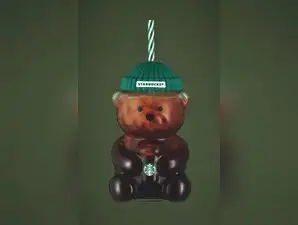
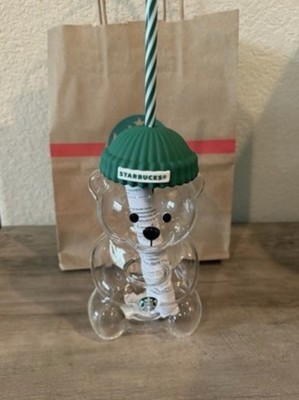
Starbucks has issued an apology for the rollout of its viral bearista cup, which was meant to spread holiday cheer but instead sparked chaos and controversy. The popular coffee chain ushered in the holiday season last week, debuting its menu of seasonal drinks, treats, and merchandise. Among the new offerings was the glass Starbucks bearista cold cup, priced at a modest $30. However, what was intended to be a festive addition to the holiday collection quickly turned into a logistical nightmare.
Chaos ensued as the bearista cold cup was meant to spread holiday cheer. Instead, it sold out in hours, sparked fights, and turned a $30 cup into a speculative asset. Some people reportedly went to great lengths to try to get their hands on one, even staking out their local Starbucks stores for hours throughout the night — to no avail. The coffee chain released the glass Starbucks bearista cold cup on as part of its new holiday collection on Thursday, and within minutes, stores were sold out.
- Shocking I Took A Pill In Ibiza Lyrics Expose Drug Fueled Orgies And Celebrity Nudes
- Heartbreaking Betrayal How A Massive Leak Destroyed This Days Of Our Lives Stars Marriage
- Eric Danes Als Diagnosis Date Exposed What No One Knew Until Now
The Aftermath: Resale Market Madness
The aftermath of the bearista cup's release was nothing short of chaotic. The cup, which was meant to be a fun and affordable holiday item, quickly became a hot commodity on the resale market. Prices skyrocketed, with some listings reaching up to $50,000. This absurd markup left many fans frustrated and angry, as they were unable to purchase the cup at its original price.
Starbucks has lost $11 billion market value, and not because of boycotts. The company's messy December, explained. The bearista cup fiasco has not only caused outrage among customers but has also had a significant impact on Starbucks' financial standing. The company's market value plummeted as the scandal unfolded, highlighting the far-reaching consequences of the merchandising debacle.
The Apology Video: A PR Nightmare
In an attempt to address the situation, Starbucks released an apology video. However, this move backfired spectacularly. The video, which was meant to calm the storm, instead leaked online and was met with widespread criticism. The company's chief executive called the video "reprehensible," further fueling the fire. The apology video, instead of resolving the issue, has become a focal point of the controversy, adding another layer of complexity to the already chaotic situation.
- Shocking Leak Exposes Who Really Plays Ginny Weasley
- Andy Griffith Show Cast Nude Leaks Shocking Photos They Tried To Hide
- The Sandlot Casts Secret Lives Leaked Nude Photos And Shocking Scandals Exposed
Lessons from Other Disasters
While the bearista cup scandal is unique in its own right, it's not the first time a company has faced a public relations disaster. The Bhopal disaster, a chemical leak in 1984 in the city of Bhopal, Madhya Pradesh state, India, during which about 45 tons of methyl isocyanate escaped from an insecticide plant, serves as a stark reminder of the importance of corporate responsibility. Tens of thousands of people were killed, some half a million others suffered maladies, and the site remained contaminated decades after the leak.
Similarly, the Heysel Stadium disaster (French: Drame du Heysel [dʁam dy ɛzɛl], Italian: Strage dello 'Heysel [ˈstraːdʒe dello eiˈzɛl]) was a crowd disaster on 29 May 1985, when Juventus fans were escaping from an attack by Liverpool fans while they were pressed against a wall in the Heysel Stadium in Brussels, Belgium, before the start of the 1985 European Cup final. The disaster occurred at an FA Cup semifinal football match between Liverpool and Nottingham Forest being held at Hillsborough Stadium in Sheffield. There were a total of 97 fatalities and 766 injuries from the disaster due to gross negligence by the South Yorkshire Police and Ambulance Services.
These incidents highlight the importance of proper planning, communication, and crisis management. Starbucks' handling of the bearista cup scandal, particularly the leaked apology video, serves as a cautionary tale for other companies facing similar challenges.
The Environmental Angle
While the bearista cup scandal is primarily a merchandising and PR issue, it's worth considering the environmental implications of such products. The Deepwater Horizon oil spill, which occurred on April 20, 2010, is a prime example of the environmental impact of corporate negligence. Over the course of 87 days, the damaged Macondo wellhead, a part of the Deepwater Horizon oil rig, located around 5,000 feet beneath the ocean's surface, leaked an estimated 3.19 million barrels (over 130 million gallons) of oil into the Gulf of Mexico—making the spill the largest accidental ocean spill in history.
Once the oil left the wellhead, it spread throughout the water column, causing widespread damage to marine life and ecosystems. This disaster underscores the importance of sustainable practices and responsible product development, which Starbucks should consider in future merchandising endeavors.
The Road to Recovery
As Starbucks navigates the aftermath of the bearista cup scandal, the company must take steps to rebuild trust with its customers. This includes addressing the issues that led to the chaos, such as limited supply and high demand, and ensuring that future product launches are better managed. Additionally, Starbucks should consider the environmental impact of its products and strive to create sustainable, eco-friendly merchandise.
The company's mission, "To be the premier purveyor of the finest coffee in the world, inspiring and nurturing the human spirit — one person, one cup and one neighborhood at a time," should serve as a guiding principle in its recovery efforts. By focusing on its core values and prioritizing customer satisfaction, Starbucks can work towards regaining its reputation and moving past the bearista cup scandal.
Conclusion
The Bear Cup Scandal has been a rollercoaster ride for Starbucks, from the initial excitement of the holiday merchandise launch to the chaos of sold-out stores and inflated resale prices. The leaked apology video has only added fuel to the fire, creating a PR nightmare for the company. As Starbucks works to recover from this debacle, it must learn from past disasters and prioritize responsible product development, effective communication, and sustainable practices.
The bearista cup scandal serves as a reminder of the power of social media and the importance of managing public perception in the digital age. For Starbucks, the road to recovery will be challenging, but by staying true to its mission and values, the company can emerge stronger and more resilient than ever. As for the fans who missed out on the coveted bearista cup, they can only hope that Starbucks will find a way to make amends and bring back the holiday cheer that was lost in the chaos.