SHOCKING LEAK: Rare Mola Tecta Fish Spotted Nude In Sonoma County Waters!
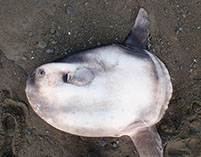
Imagine stumbling upon a creature so rare that scientists only discovered it existed a few years ago. That's exactly what happened when a hoodwinker sunfish (mola tecta) washed ashore at Doran Beach in Sonoma County, California, in early September 2025. This bizarre-looking fish, with its flattened body and distinctive shape, has captured the attention of marine biologists and beachgoers alike. But what makes this discovery so significant, and why is it causing such a stir in the scientific community?
The mola tecta, or hoodwinker sunfish, is part of the Molidae family, known for producing the heaviest bony fish on Earth. First described in 2017, this species remains largely mysterious, making any sighting a rare and exciting event. When the body of this massive creature was found lying on the beach at Doran Regional Park in Sonoma County on Monday, September 2025, it sparked immediate interest from experts and locals alike.
The Discovery at Doran Beach
The hoodwinker sunfish (mola tecta) is part of the Molidae family, known for producing the heaviest bony fish on earth. This family includes some of the most fascinating marine creatures, with the ocean sunfish (mola mola) being the most well-known member. However, the mola tecta is a relatively new addition to the family, having been first described in 2017 by researchers who noticed distinct differences from other sunfish species.
- Leaked The Good American Familys Secret Sex Scandal Exposed
- Robert Wagners Age Leak The Scandal They Tried To Hide
- The Sandlot Casts Secret Lives Leaked Nude Photos And Shocking Scandals Exposed
When Sonoma County Regional Parks experts identified the creature as a rare mola tecta — a little known subspecies of sunfish — it marked a significant moment in marine biology. The discovery was particularly noteworthy because the mola tecta had not been previously recorded in the Northern Hemisphere. This finding suggests that the species' range might be broader than initially thought, opening up new avenues for research and conservation efforts.
Understanding the Hoodwinker Sunfish
The hoodwinker sunfish, or mola tecta, is aptly named for its ability to "hoodwink" scientists for centuries. Its elusive nature and rarity made it difficult to distinguish from other sunfish species until genetic analysis revealed its unique characteristics. The fish can grow to impressive sizes, with some individuals weighing up to 2,000 pounds. Its flattened, disc-like body and lack of a true tail fin make it one of the most unusual-looking fish in the ocean.
What sets the mola tecta apart from its relatives is not just its physical appearance but also its habitat preferences. While other sunfish species are found in various parts of the world, the mola tecta seems to prefer cooler waters, particularly in the Southern Hemisphere. The discovery of one in Northern California raises intriguing questions about how it ended up so far from its expected range and what this might mean for our understanding of ocean currents and marine species distribution.
- Amys 1000 Lb Sisters Leaked Confession What They Hid Will Terrify You
- How A Secret Sex Tape Leak Destroyed My Best Friends Life And Our Bond
- Dove Camerons Secret Lover Exposed In Shocking Nude Leak
The Scientific Impact of the Discovery
A Sonoma State University professor recently discovered a hoodwinker sunfish (mola tecta), one of the rarest marine creatures, washed ashore at Doran Regional Park in California. This finding has significant implications for marine biology and conservation. The mola tecta is so rare that any opportunity to study a specimen provides valuable insights into its biology, behavior, and ecology.
The discovery has prompted a flurry of scientific activity, with researchers eager to examine the specimen and collect data that could help answer long-standing questions about the species. Tissue samples have been taken for genetic analysis, and the fish's stomach contents are being studied to understand its diet better. These investigations could provide crucial information about the mola tecta's role in marine ecosystems and help inform conservation strategies for this and other rare species.
Public Reaction and Media Coverage
"It was pretty jarring," Ariana Reguzzo, spokesperson for Sonoma County Parks, told SF Gate of the discovery. The unusual appearance of the mola tecta — with its massive size and distinctive shape — has captured the public's imagination. Social media has been abuzz with photos and videos of the fish, and local news outlets have covered the story extensively.
The public interest in this rare find highlights the importance of public engagement in scientific discoveries. When people encounter unusual marine life, it provides an opportunity for education and awareness about ocean conservation. The mola tecta discovery has sparked conversations about marine biodiversity, the impact of climate change on ocean ecosystems, and the importance of protecting rare species.
Conservation Implications
The appearance of a mola tecta in Northern California raises important questions about marine conservation. As climate change continues to affect ocean temperatures and currents, we may see more species appearing in unexpected locations. Understanding these shifts is crucial for developing effective conservation strategies that can adapt to changing environmental conditions.
The rarity of the mola tecta makes it particularly vulnerable to threats such as bycatch in fishing operations, marine pollution, and habitat degradation. The discovery of this specimen provides an opportunity to raise awareness about the need to protect these and other rare marine species. Conservation organizations are now calling for increased research funding to better understand the mola tecta's distribution, behavior, and population status.
What's Next for Research on the Mola Tecta
The discovery of the mola tecta at Doran Beach is just the beginning of what promises to be an exciting period of research on this elusive species. Scientists are now planning expeditions to search for more specimens in the waters off Northern California and beyond. Advanced technologies such as satellite tagging and environmental DNA sampling may help researchers track the movements and distribution of these rare fish more effectively.
Collaborations between universities, research institutions, and conservation organizations are being established to coordinate efforts to study the mola tecta. These partnerships will be crucial for pooling resources and expertise to unlock the secrets of this mysterious species. As we learn more about the mola tecta, we may discover that it's not as rare as we once thought, or we may find that it's even more vulnerable than we realized.
Conclusion
The discovery of a hoodwinker sunfish (mola tecta) washed up on Doran Beach in Sonoma County has opened a fascinating window into the world of rare marine species. This finding challenges our understanding of the species' distribution and highlights the importance of continued research and conservation efforts. As scientists work to unravel the mysteries of the mola tecta, this discovery serves as a reminder of the incredible biodiversity of our oceans and the need to protect these fragile ecosystems.
The mola tecta may be a rare sight, but its impact on marine biology and conservation is significant. By studying this species and raising awareness about its existence, we can contribute to a broader understanding of ocean health and the importance of preserving marine biodiversity. The next time you visit a beach, keep an eye out – you never know what rare and wonderful creatures might be waiting to be discovered.