Forbidden NUDE REVOLUTION In New Hunger Games Book Exposed!
Have you heard about the shocking controversy surrounding the latest installment in the Hunger Games saga? The new book "Sunrise on the Reaping" has sparked a firestorm of debate, with critics claiming it pushes boundaries far beyond what fans expected. But what exactly is causing such an uproar, and why are some calling it a "forbidden nude revolution"?
The Hunger Games series has always been known for its gritty portrayal of a dystopian future, but the newest addition seems to have taken things to a whole new level. As readers dive into this dark and brutal world, they're finding themselves questioning just how far Suzanne Collins is willing to go with her storytelling. Let's explore the reasons behind the controversy and the broader context of book banning in America.
The Rising Tide of Book Bans in America
The amount of books that are banned or challenged in the United States has been increasing at an alarming rate in recent years. This trend has affected a wide range of literature, from classic novels to contemporary works. The Hunger Games series, despite its popularity and critical acclaim, has found itself among the most frequently challenged books in schools and libraries across the country.
- Exclusive Brad Pitt Dating Scandal Leaked Sex Texts Reveal Hidden Truth
- Kamala Harris Children Scandal Emotional Confession In Leaked Documents
- Shocking I Took A Pill In Ibiza Lyrics Expose Drug Fueled Orgies And Celebrity Nudes
Why was the Hunger Games banned in schools? The reasons are varied and often reflect the changing social and political climate. Some critics argue that the series' violent content is inappropriate for young readers, while others take issue with its themes of rebellion and government control. In some cases, the books have been challenged for their perceived political messages or for allegedly promoting "anti-family" values.
Despite the U.S.'s constitutional right to free speech, the nation has an unfortunate history of banning or challenging books in schools. This practice often stems from concerns about protecting young minds from controversial ideas or explicit content. However, many argue that such censorship does a disservice to students by limiting their exposure to diverse perspectives and complex themes.
Sunrise on the Reaping: A Darker, More Brutal Hunger Games
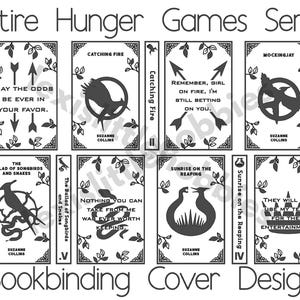
Last month, Scholastic released "Sunrise on the Reaping," the newest addition to the Hunger Games saga, and the book is way darker and more brutal than fans expected. This time, we follow a young protagonist navigating a world that's even more unforgiving than the one we've come to know from the original trilogy.
- Strongterrifying The Bomb At Ariana Grandes Show That Was Hidden Leaked Insider Confirmsstrong
- 911 Bobby Killed Off Leaked Scripts Expose The Dark Reason You Never Expected
- The Untold Story Of Andy Dick Sex Scandal And Redemption
The prequel delves deep into the origins of the Hunger Games, exploring the brutal reality of life in the districts and the Capitol's iron grip on power. Collins doesn't shy away from depicting the harsh realities of this world, including scenes of violence, oppression, and yes, even nudity. It's this unflinching portrayal of the human condition that has some calling it a "forbidden nude revolution" in young adult literature.
But is the controversy surrounding the book's content justified, or is it a case of overreaction? To understand this, we need to look at the broader context of banned books in America and the role of literature in shaping young minds.
The History and Impact of Book Banning
List of books banned by governments is a long and storied one, spanning centuries and continents. A display of formerly banned books at a US library serves as a stark reminder of how society's views on literature and free expression have evolved over time. Today, many of these once-forbidden books are considered classics, studied in schools and cherished by readers worldwide.
Banned books are books or other printed works such as essays or plays which have been prohibited by law, or to which free access has been restricted by other means. The reasons for banning books are as diverse as the books themselves, ranging from political dissent to religious objections, and from moral concerns to simple censorship.
The Hunger Games series, with its themes of rebellion, social inequality, and the corrupting influence of power, has been a frequent target for those seeking to limit access to controversial literature. But as the new prequel shows, Collins isn't backing down from tackling difficult subjects head-on.
The Hunger Games: A New Perspective
"The Hunger Games as you've never seen it before" – this tagline for the new prequel promises readers a fresh take on the familiar world of Panem. But with this new perspective comes new challenges and controversies.
Top 10 and frequently challenged books archive from the American Library Association condemns censorship and works to ensure free access to information. Every year, the Office for Intellectual Freedom (OIF) compiles a list of the top 10 most challenged books in order to inform the public about censorship in libraries and schools.
The Hunger Games series has consistently appeared on this list, reflecting its controversial nature and the ongoing debate about its suitability for young readers. With the release of "Sunrise on the Reaping," it's likely that the series will continue to be a lightning rod for discussions about censorship and the role of challenging literature in education.
Media Literacy and the Hunger Games
Media literacy may be dead, but Hunger Games author Suzanne Collins focuses her prequel "Sunrise on the Reaping" on how to identify propaganda and misinformation. This theme is particularly relevant in today's world, where the lines between fact and fiction are increasingly blurred.
By exploring how information is manipulated and controlled in the world of Panem, Collins is encouraging readers to think critically about the media they consume. This meta-narrative approach adds another layer of complexity to the series, making it not just a story about survival and rebellion, but also a commentary on the nature of truth and power.
The Hunger Games in the Classroom
Besides being a great book and a young adult classic, the Hunger Games by Suzanne Collins is one of the most commonly banned books in American high schools. This paradoxical status – beloved by many, banned by some – speaks to the complex nature of the series and its themes.
The Hunger Games (Hunger Games, Book One) by Suzanne Collins Call Number: 813.6 c713h 2008 Publication Date: 2008-09-14. This bibliographic information is crucial for educators and librarians who want to include the book in their collections while navigating the challenges of potential censorship.
Global Perspectives on Censorship
A slogan inside the former residence of Hu Yaobang, a leading reformist whose death triggered the Tiananmen Square protests in 1989, reminds us that the struggle for free expression is a global one. In 1978, reformist leaders had envisioned that intellectuals would play a leading role in guiding the country through reforms, but this did not happen as planned.
[47] On one hand, the massive new enlightenment movement led by intellectuals promoted a variety of ideas and perspectives. However, the reality of political and social change often fell short of these lofty goals, leading to periods of increased censorship and control.
The Broader Context of Controversial Media
The debate over the Hunger Games' content is part of a larger conversation about what is appropriate for young audiences. In a dystopian future, a group of students from a Japanese high school are forced by the government to compete in a battle, killing one another until only one is left standing. This description could apply to both the Hunger Games and the controversial Japanese film "Battle Royale," highlighting how different cultures approach similar themes.
Use the ESRB video game ratings guide to understand how the rating system works and how to use it to select appropriate video games and apps for your family. This advice is just as relevant when considering literature for young readers. Understanding content ratings and age recommendations can help parents and educators make informed decisions about what material is suitable for different age groups.
The Hunger Games in Popular Culture
Guardian top 10 book lists, part 4 (Sept. 2011 onwards) This is a continuation of the topic Guardian top 10 book lists, part 3 (2009 onwards). This topic was continued by Guardian top 10 book lists, part 5 (July 2013 onwards). The Hunger Games has consistently appeared on such lists, cementing its place in popular culture and literary discussions.
The story of the Book of Genesis places the first man and woman, Adam and Eve, in the Garden of Eden, where they may eat the fruit of many trees, but are forbidden by God to eat from the tree of knowledge of good and evil. This biblical tale of forbidden knowledge and the consequences of seeking truth resonates with the themes explored in the Hunger Games series, particularly in the new prequel.
Conclusion
The controversy surrounding "Sunrise on the Reaping" and the broader debate about book banning in America reflect the ongoing struggle between free expression and societal norms. As readers and educators grapple with these issues, it's important to remember the power of literature to challenge our assumptions, broaden our perspectives, and spark important conversations.
The Hunger Games series, with its unflinching look at power, oppression, and the human spirit, continues to be a lightning rod for these discussions. Whether you view it as a "forbidden nude revolution" or a necessary exploration of difficult themes, there's no denying its impact on young adult literature and popular culture.
As we move forward, let's strive to approach these debates with an open mind, recognizing the value of diverse voices and challenging ideas in shaping the next generation of readers and thinkers. After all, it's through engaging with controversial material that we truly learn to think critically and form our own opinions about the world around us.