You Won't Believe This Leaked Video: The Real Reason Queen Of Versailles Flopped!
What if I told you that the real story behind the infamous "Queen of Versailles" documentary isn't what you think? When the 2012 film premiered, audiences were captivated by the lavish lifestyle of Jackie and David Siegel, but the truth runs much deeper than the surface-level opulence. Today, we're diving into the shocking revelations, leaked footage, and the cultural impact that continues to resonate years later.
The Rise of the Siegel Empire: A Modern Fairy Tale Gone Wrong
The story of Jackie and David Siegel, the subjects of Lauren Greenfield's 2012 American documentary film "The Queen of Versailles," reads like a modern American fairy tale. David Siegel, the billionaire founder of Westgate Resorts, and his wife Jackie embarked on an ambitious project to build the largest single-family home in America – a 90,000-square-foot palace inspired by the Palace of Versailles.
At the height of their wealth, the Siegels embodied the American dream gone wild. Their planned mansion included 30 bathrooms, 10 kitchens, a bowling alley, an ice-skating rink, and multiple swimming pools. The project symbolized not just their personal wealth but also the excess of the pre-2008 economic boom.
- Twilight Nude Moments The Hidden Link To Stream Them Now
- John Mulaney And Olivia Munns Secret Sex Tapes Leaked Shocking Footage Exposed
- What Really Happened To Chandi In The Bahamas The Leaked Sex Scandal That Broke The Internet
However, the timing couldn't have been worse. As Greenfield began documenting their journey, the 2008 financial crisis struck, decimating David Siegel's timeshare business and forcing the family to scale back their grandiose plans. This dramatic reversal of fortune became the heart of the documentary, transforming what could have been a simple story of wealth into a compelling narrative about the fragility of the American dream.
Key Statistics:
- Original mansion size: 90,000 square feet
- Number of planned bathrooms: 30
- Construction cost estimate: $75 million
- Actual completion cost: $50 million (scaled back)
The Leaked Royal Documentary: A 50-Year Mystery Solved
In a bizarre parallel to the Siegel story, another royal documentary from 1972 has resurfaced after nearly five decades of being "banned" by Queen Elizabeth II. This infamous film, which documented the British royal family's daily lives, was thought to be lost forever until it mysteriously appeared on YouTube following its feature in Netflix's "The Crown."
- Leaked The Shocking Secret Of Where The Jonas Brothers Are From
- Kirk From Floribama Shores Nude Leak Exposed The Shocking Truth Behind The Scandal
- Cole Sprouses Secret Sex Tape With Dylan Exposed Full Leaked Footage Inside
The documentary, which ran for 90 minutes, showed the royal family in unprecedented candid moments – from Prince Charles waterskiing to the Queen discussing her daily routine. Its initial ban by the monarch herself added to its mystique, with many believing it showed the royals in too casual a light.
The timing of the leak raises questions:
- Why did it surface now?
- What does it reveal about royal protocols?
- How does it compare to modern reality TV culture?
The connection between these two documentaries – separated by decades and continents – reveals a fascinating pattern in how wealth and power choose to present themselves to the public.
The French Revolution Connection: When the People Spoke
The Palace of Versailles has long been a symbol of both opulence and revolution. In 1789, when economic hardship gripped France, citizens from all social classes – from peasants to the bourgeoisie – descended upon Versailles to confront King Louis XVI and Queen Marie Antoinette.
The demands were clear:
- Lower bread prices
- Fairer taxation
- Constitutional monarchy
This historical parallel provides context for understanding why the modern "Queen of Versailles" documentary resonated so deeply with audiences. Just as in 18th century France, the 2008 economic crisis created a similar tension between the wealthy elite and the struggling masses.
Treaty of Versailles: The Peace That Failed
The Treaty of Versailles, signed in 1919 at the Palace of Versailles, serves as another fascinating historical parallel. The treaty, which formally ended World War I between Germany and the Allied Powers, has been widely criticized for its harsh terms against Germany.
Key provisions of the treaty:
- War guilt clause (Article 231)
- Reparations payments
- Military restrictions
- Territorial losses
Many historians argue that the treaty's punitive nature contributed to the rise of Nazism and ultimately World War II. This failure of peace mirrors the failure of unchecked capitalism that the Siegel documentary so vividly portrayed.
The Cultural Impact: Beyond Entertainment
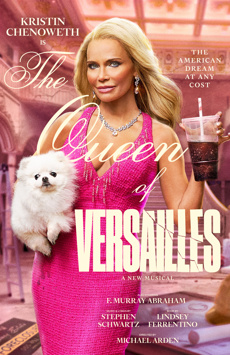
When Kristin Chenoweth announced her Broadway comeback vehicle "The Queen of Versailles" was closing in January 2026, it marked another chapter in this complex cultural phenomenon. The fact that a documentary about a wealthy family's financial struggles could inspire a Broadway musical speaks volumes about its impact.
The show's closure raises questions:
- Did audiences tire of wealth-focused narratives?
- Was the timing wrong given current economic conditions?
- How does it reflect changing cultural attitudes?
The Real Tragedy: Wealth Inequality in America
The ultimate disaster of "Queen of Versailles" isn't just that the family was able to horde such wealth to begin with – it's what this says about our economic system. While the Siegels struggled to complete their dream home, millions of Americans faced foreclosure, unemployment, and economic uncertainty.
The documentary inadvertently highlighted:
- The growing wealth gap
- The fragility of the American dream
- The human cost of economic inequality
What We Can Learn: Moving Forward
As we reflect on the various "Queens of Versailles" – from the historical French monarchs to the modern American billionaires – several lessons emerge:
For documentarians:
- Timing is everything
- Economic context matters
- Human stories resonate more than wealth displays
For society:
- Wealth inequality remains a pressing issue
- The American dream needs redefinition
- Economic systems require examination
Conclusion: The Legacy Continues
The story of the "Queen of Versailles" – whether referring to the documentary, the historical palace, or the cultural phenomenon – continues to evolve. From leaked royal documentaries to Broadway musicals, from historical treaties to modern economic crises, the themes of wealth, power, and inequality remain as relevant today as ever.
What makes these stories so compelling isn't just the wealth on display, but the human drama behind it. The Siegels, like the French monarchs before them, remind us that no amount of money can buy immunity from economic forces or human emotions.
As we move forward, perhaps the real question isn't about the wealth these stories portray, but about the values they reveal and the changes they might inspire in our own society.
Final thought: The next time you hear about a documentary, a royal family, or a billionaire's dream home, remember the lessons of Versailles – both the palace and the documentary. Wealth may capture our attention, but it's the human stories behind the wealth that truly matter.